Rollback Taxes on Farm Land in South Carolina, in Plain English
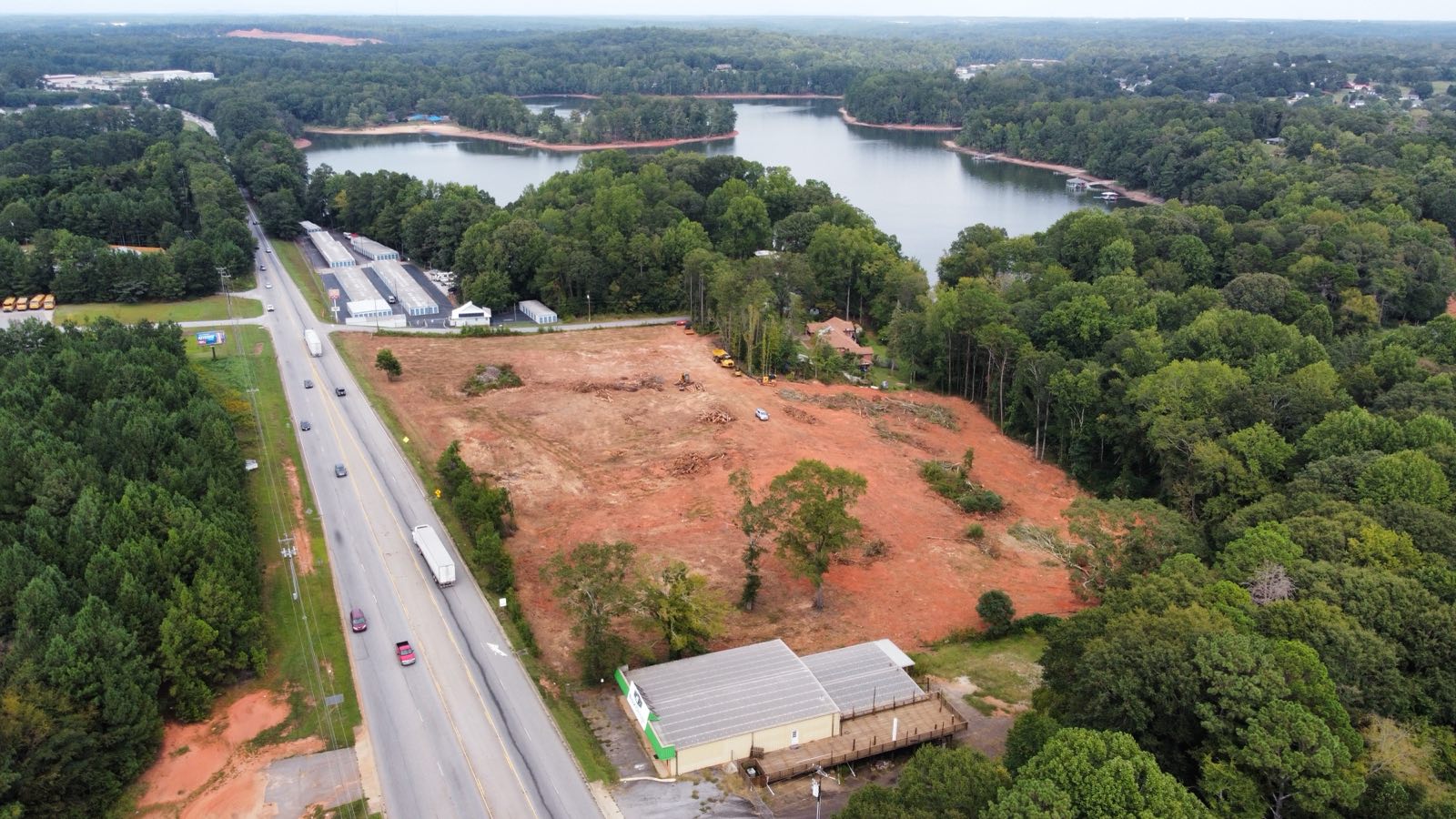
A lot of the land I walk in the Upstate has cows on it, hay on it, or pine trees planted in rows. Most of it is taxed as agricultural. That is a good deal for the owner, and it should be. But when that land is sold to someone who is going to build on it, a bill can show up that nobody mentioned at the kitchen table. It’s called a rollback tax.
Here is what it is, how it works, and how we handle it when we buy.
What agricultural use actually saves you
In South Carolina, land that qualifies for agricultural use is taxed on what it’s worth as farm or timber land, not on what it would sell for on the open market. In a fast-growing place like Greenville or Spartanburg County, the gap between those two numbers can be large. A tract that would sell for a lot as future home sites might be taxed as if it were only ever going to grow hay.
That is the whole point of the program. It keeps working land affordable to hold.
What a rollback tax is
The state’s deal is simple: you get the lower tax rate as long as the land stays in agricultural use. When the use changes, the county looks back and collects some of the difference.
Under the current law, the rollback covers the current tax year plus the three tax years before it. (It used to be five; the law changed in 2021.) For each of those years, the county figures what the taxes would have been at full market value, subtracts what was actually paid under agricultural use, and adds up the difference. That total is the rollback bill.
A few things surprise people.
It’s the change in use that triggers it, not the sale. If you sell your pasture to a neighbor who keeps running cattle on it, and they apply to keep the agricultural status, there may be no rollback at all. If you sell it to a builder who is going to grade it for lots, there almost certainly will be.
The law doesn’t say who pays. There is no rule in South Carolina that puts the rollback on the buyer or the seller. It’s whatever the contract says. That is exactly why you want to know about it before you sign, not after.
It can be a real number. On a small tract near town, the rollback might be modest. On a larger tract that has been taxed as farm land for decades in a part of the county that’s now growing, it can be meaningful.
How to find out if your land is in agricultural use
Your property tax bill is the quickest check. Your county assessor’s office can also tell you whether the parcel is assessed as agricultural and what the market value is on file. Greenville, Spartanburg, Anderson, Pickens and Oconee Counties all handle this through the assessor.
If you’re not sure, send me the parcel number or the address and I’ll look it up with you.
Why we often cover the rollback
When we buy land to develop it, we are the ones changing the use. Grading it, rezoning it, building on it. The rollback is a cost of what we plan to do with the land, not a cost of you owning it well for all those years.
So in a lot of our deals, we pay it. We build it into our numbers up front, and we put it in writing in the contract. The goal is for the price we agree on to be close to what you actually walk away with at closing, instead of a number that shrinks after the fact.
I say “often” and not “always” on purpose. Every tract pencils differently. On some deals, covering the rollback and paying the price you want don’t both fit. When that’s the case, I’ll tell you plainly and show you the math, and you can decide what you’d rather do. What I won’t do is leave it out of the conversation and let your closing attorney be the one who brings it up.
What to ask any buyer
Whether you sell to us or to someone else, ask these questions before you sign:
- Is my land currently assessed as agricultural?
- Will your use of the land trigger a rollback?
- Who pays it, and where does the contract say so?
- Will I see the estimated amount before closing?
A buyer who is straight with you will have plain answers to all four.
How we work
We walk every property in person. You get a clear answer within 48 hours of the walkthrough, with the reasoning shown. Our contract is short enough to read, protections run both ways, and your attorney is welcome to review it. We don’t sign what we can’t close. And if your land doesn’t pencil for development, I’ll tell you that too. More on how we buy.
I’m not your CPA or your attorney, and taxes are one place where you should have your own. But I’m happy to walk you through what I know and what I’d check.
If you own land in the Upstate and you’re wondering what it would look like to sell, call or text me at 864-372-1402, or email info@horizonacreage.com.
— Brayden Stanley, Horizon Acreage
This is general information, not tax or legal advice. Rollback rules can change; your county assessor has the final word on your parcel.