Selling Inherited or Heirs’ Property in South Carolina
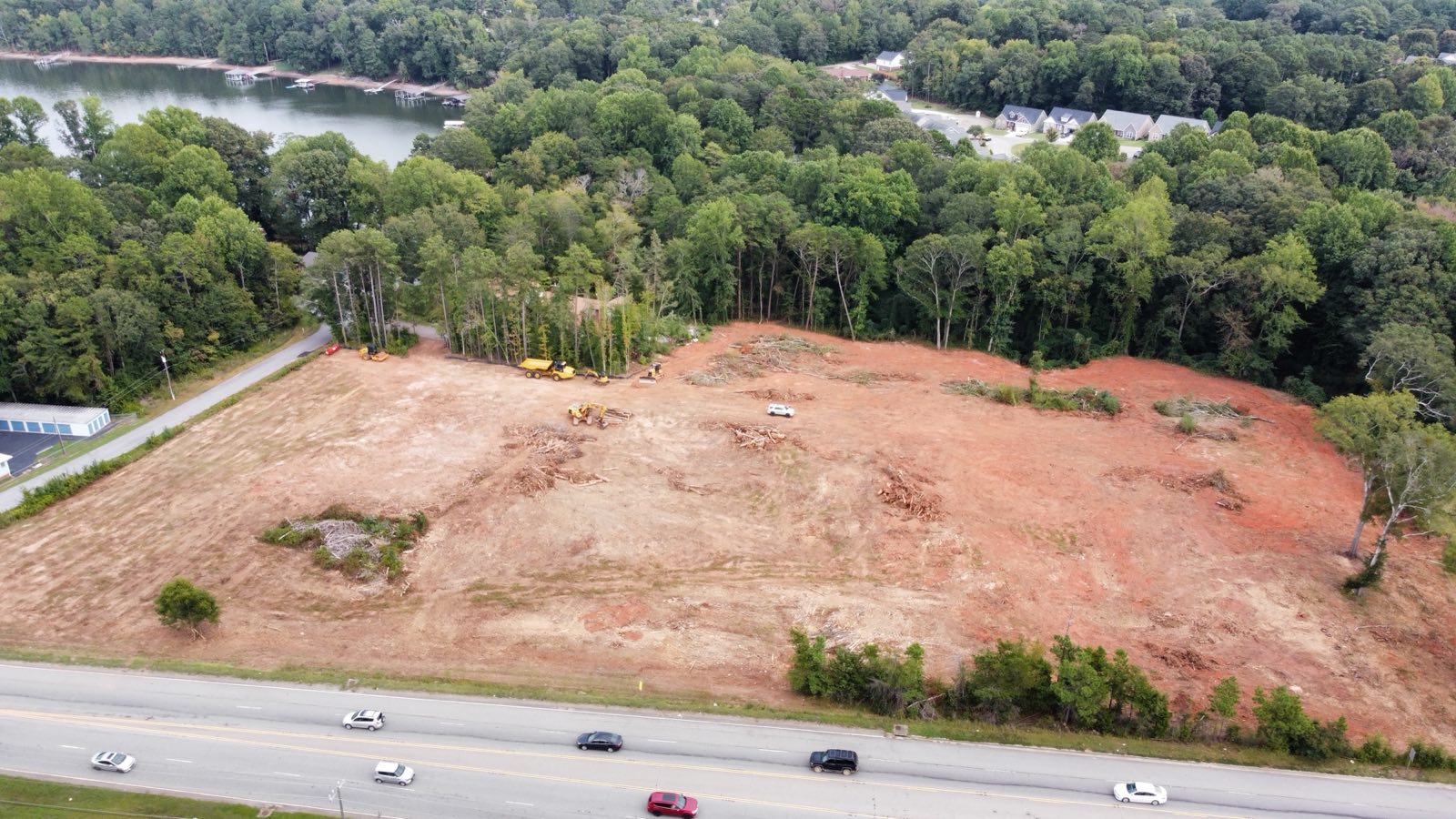
Some of the land I walk has been in one family for three or four generations. The people who call me about it are usually grandchildren. They love the place, but nobody lives close anymore, the taxes keep coming, and they’re not sure who actually owns it.
That last question matters more than people think. Here is what I’ve learned about selling inherited land in South Carolina, and what to sort out before anyone makes you an offer.
Inherited land and heirs’ property are not the same thing
If your parent left a will and the estate went through probate, you inherited land the normal way. The will named who gets it, the probate court handled it, and a deed or court record shows the new owner. That land can usually be sold like any other.
Heirs’ property is different. It happens when someone dies without a will, or when there was a will but the estate was never probated. The land passes to the legal heirs, but nobody ever records who they are. Each heir owns a fraction of the whole tract, and no one owns any particular acre of it.
Give it a generation or two and those fractions keep splitting. A tract that belonged to one grandfather can end up owned by a dozen cousins in three states. Some of them may not know they own anything.
Why every owner has to sign
Here is the practical problem. To sell the whole tract with clean title, every owner has to sign. If one cousin can’t be found, or one won’t agree, the sale stalls.
A buyer’s attorney will find this during the title search. A title insurance company generally won’t insure a sale when heirs are missing from the chain. And a buyer who can’t get title insurance usually can’t close, and neither can their lender.
So if the tax bill still shows a name of someone who passed away years ago, that’s your sign. Start here before you start anywhere else.
What it takes to clear it up
Every family is different, and this is attorney work, not something a buyer should do for you. But the path usually looks like this:
- Figure out who the heirs are. Your attorney traces the family tree back to the last recorded owner and works out who owns what share under South Carolina law.
- Open or finish the estate. Often that means going through the probate court in the county where the person lived.
- Get everyone on the same page. Heirs who want to sell can sign. Heirs who want to keep their share can sometimes be bought out by the others.
- Record it. When it’s done, the deed or court order shows exactly who owns the land, and a buyer can get title insurance.
It takes some patience. It’s also far easier to do before there’s a contract with a deadline on the table.
When the family can’t agree
Any co-owner of heirs’ property can ask a court to divide the land or order it sold. That’s called a partition. People worry about this because, in the past, partition sales often happened at the courthouse steps for a low price.
South Carolina has a law that changes that for heirs’ property: the Uniform Partition of Heirs’ Property Act (S.C. Code Section 15-61-310 and following). In plain terms, the other owners get a chance to buy out the person who wants to sell, at a court-determined value. If nobody does, the court generally orders a sale on the open market through a real estate broker instead of an auction. Your attorney can tell you how it applies to your family. It’s worth knowing it exists before anyone threatens a partition.
How we handle it when we buy
We work with inherited and heirs’ property regularly. It doesn’t scare us off. Here’s what that looks like in practice:
- We walk the land first, with whoever in the family wants to come. A clear answer comes within 48 hours.
- We tell you early if title looks like a problem, so you can talk to an attorney before anyone is on a clock.
- We can point you to a probate attorney if you don’t have one. Your own attorney is always welcome, and we’d rather you have one.
- We write the contract to fit the situation, short enough to read and fair to both sides. That can include time for the family to finish clearing title.
- We don’t sign what we can’t close. If the title can’t be cleared, or the numbers don’t work, we say so.
If your family is sitting on land that no one is quite sure how to handle, the first step is not selling it. It’s finding out who owns it. Once that’s settled, you have options. More on how we buy.
If you own inherited land in the Upstate and want to talk it through, call or text me at 864-372-1402, or email info@horizonacreage.com.
— Brayden Stanley, Horizon Acreage
General information for South Carolina landowners, not legal advice. Talk to your own attorney before you sign anything. Related: Rollback taxes on farm land in South Carolina and 7 things to know before you sell land in the Upstate.