Seller Financing: When Taking Payments Beats Taking Cash
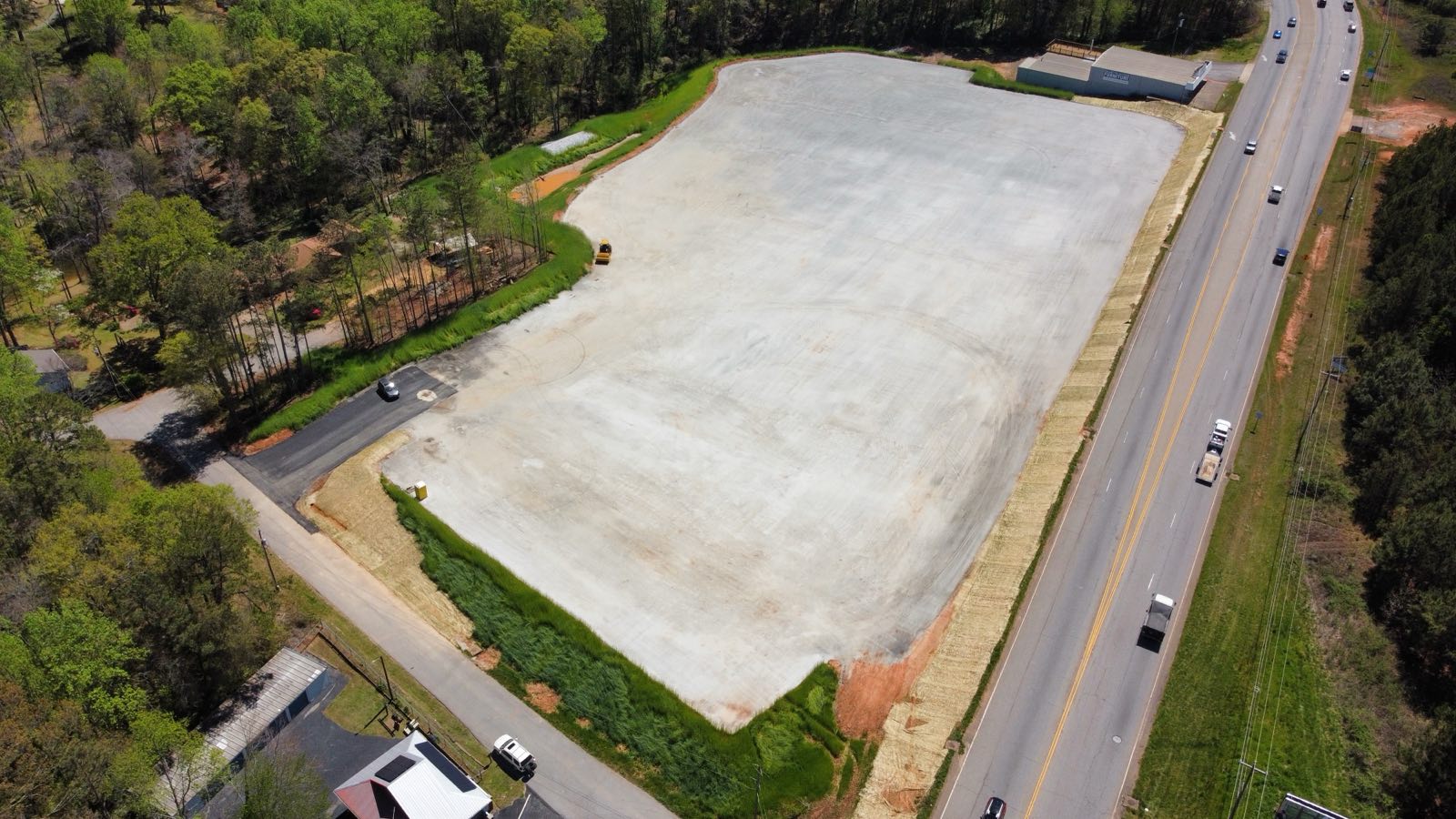
Most people picture a land sale one way. You sign, you close, and a check shows up. For a lot of owners that is the right answer.
But it is not the only way to sell. Sometimes the better deal is to let the buyer pay you over time. That is seller financing, and it is one of the first things I ask owners about, because it changes what we can offer.
What seller financing actually is
With seller financing, you act as the bank. The buyer pays part of the price at closing, and pays the rest to you in monthly payments, with interest, over an agreed number of years.
It is still a real closing. A closing attorney handles it. The deed goes to the buyer, and the buyer signs a promissory note to you. That note is secured by a mortgage on the land, recorded at the county like any bank loan. If the buyer stops paying, the land backs your loan.
You will also hear it called owner financing or an installment sale. Same idea.
When taking payments can beat taking cash
You want income, not a lump sum. A check is spent or invested once. A note pays you every month. For an owner nearing retirement, a steady payment can be worth more than a bigger balance in the bank that has to be managed.
You may get a better price. When I don’t have to borrow from a bank, or tie up all my cash in one tract, I can sometimes pay more. Terms are worth money to a buyer. A seller who is flexible on terms can often ask for more on price.
You earn interest. The price is not all you get. You also earn interest on the balance the buyer owes you. On a note that runs several years, that adds up.
The tax bill can be spread out. When you take payments, you generally pay tax on your gain as you receive it, not all in the year of the sale. That can keep you out of a higher bracket. Every situation is different, so talk to your CPA before you decide. I’d rather you did.
It can fix a hard sale. Land with no bank appetite, like raw acreage, a tract that needs work, or a parcel a bank won’t lend on, is much easier to sell when the seller carries the loan.
When it doesn’t make sense
Seller financing is a tool, not a trick. It is the wrong fit when:
- You need all the cash now. If you are buying another property, paying off a debt or settling an estate, take the cash.
- There is a loan on the land. If you still owe a bank, that loan usually has to be paid at closing. Sometimes there is a way to structure around it, but it has to be done right, with your attorney involved.
- You don’t trust the buyer. You are lending them money. Who they are and what they have closed matters as much as the price.
- You can’t wait out a default. If a buyer stops paying, you can get the land back, but foreclosure in South Carolina goes through the courts. It takes time and money. A good down payment makes that much less likely.
What to look for in the terms
If you are considering it, these are the pieces that matter:
- Down payment. More money at closing means a buyer with skin in the game.
- Interest rate and term. How much you earn, and how long you wait for the rest.
- Balloon date. Many notes are paid off in full after a set number of years, so you are not waiting thirty.
- Release clauses. If the buyer is developing the land in pieces, how much they pay you to release each lot from your mortgage.
- Who services the note. Whether payments come straight to you or through a third party who tracks them.
All of that should be in writing, short enough to read, and reviewed by your own attorney before you sign.
How we approach it
When I walk a property and sit down with an owner, I often show more than one way to do the deal. Cash at closing is one. Payments over time can be another, with a different price to match. You pick what fits your family. If cash is what you need, say so. The cash offer stays on the table.
The commitments don’t change with the structure. A clear answer within 48 hours of the walk. A contract that is fair to both sides. Your attorney is welcome. We don’t sign what we can’t close. And if a deal doesn’t pencil either way, we tell you.
If farm-use taxes apply to your land, read rollback taxes on farm land in South Carolina too. They come up in the same conversation.
The short version
Cash is simple. Payments can be worth more. More on how we buy.
If you own land in the Upstate and want to see both side by side, call or text me at 864-372-1402, or email info@horizonacreage.com.
— Brayden Stanley, Horizon Acreage
General information for South Carolina landowners, not legal or tax advice. Related: 7 things to know before you sell land in the Upstate.