Why We Walk Every Property Before We Make an Offer
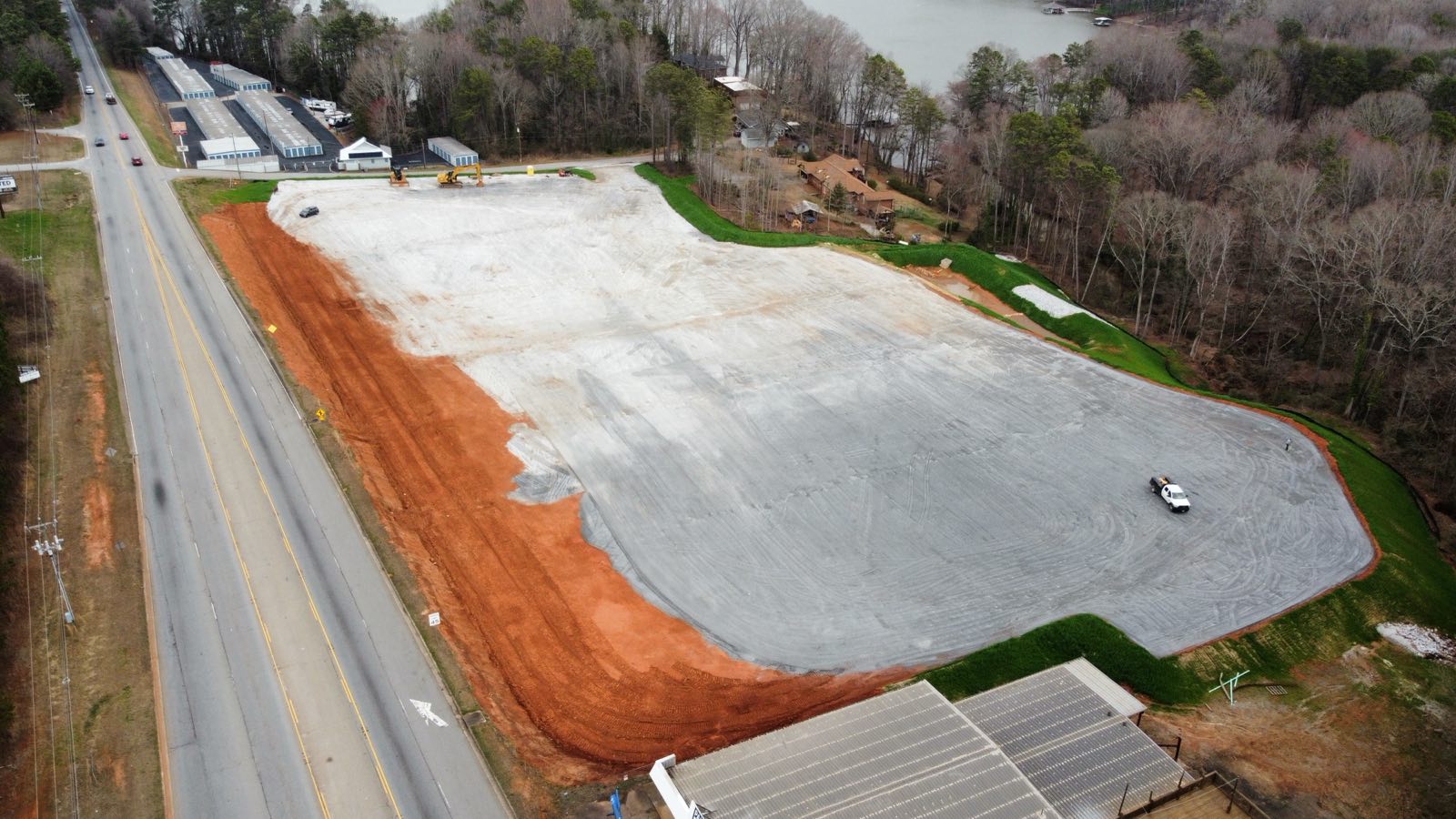
If you own land in the Upstate, you have probably gotten the letters. A cash offer on a parcel the buyer has never seen, sometimes with a number already printed on it. Some of those buyers are real. Many are guessing from a tax map and a satellite photo.
We do it differently. Before we make an offer, I walk the property. Here is why, and what it means for you as the seller.
A map can’t tell you what the ground is doing
Tax maps and aerial photos are a good start. I use them too. But they leave out most of what decides what a tract is worth.
A satellite photo won’t show you that the back third of a parcel stays wet after every rain. It won’t show you how steep the slope is once you’re standing on it, or that the “road frontage” is a ditch bank you can’t drive across. It won’t tell you whether the power line at the corner has room for a new service, or whether a neighbor’s driveway has been crossing your land for twenty years.
None of those things are rare. They’re just invisible from a desk.
What I’m looking at when I walk it
Every tract is different, but the walk usually covers the same ground:
- Access. How you get in today, and how a builder or a family would get in later. Is there real frontage, a recorded easement, or just a path everyone has used?
- Usable acres. Not the number on the deed, but the part you could actually build on once creeks, wet spots, steep slopes and setbacks come out.
- Water and drainage. Where water comes from, where it goes, and whether any of it would need special handling.
- Utilities. What’s at the road, what’s close, and what would have to be brought in.
- Neighbors and boundaries. Fences, old roads, encroachments, and anything a survey will need to settle.
- What it could become. The question that matters most for price, and the one a desk can’t answer.
I’d rather walk it with you. Owners know things no record shows: where the old spring is, which corner floods, why the family never cleared the back field.
Why this is better for the seller
It would be faster for us to mail an offer and sort out the details later. Here’s why we don’t.
The number holds up. A buyer who hasn’t seen the land often finds a “problem” during the inspection period and asks for a lower price. That’s the oldest move in the book. When we’ve already walked it, the things we’d find later are things we already know. Our offer accounts for them up front.
You see the reasoning. Because we’ve done the homework, we can show you why the number is what it is: the usable acres, the access, the cost of getting it ready. You don’t have to take it on faith.
It can beat the comps. Comparable sales price what land was. Walking it is how we see what it could be. Sometimes the best use of a tract is worth more than the last sale down the road, and we can only pay for that if we’ve actually seen it. More on that in what “development potential” means for your price.
You hear “no” early. Sometimes I walk a property and it just doesn’t work for us. When that happens, I’d rather tell you that week than tie your land up for months and back out.
What happens after the walk
Within 48 hours of walking your property, you get a clear answer. That might be an offer, more than one way to do the deal, or an honest “this one isn’t for us,” with the reason.
If it’s an offer, the contract is short enough to read and fair to both sides. Your attorney is welcome to look it over first, and we’d rather they did. And we don’t put a property under contract unless we already have the ability to close it.
If farm-use taxes apply, read rollback taxes on farm land in South Carolina before you sign anything. If the land came to you through family, selling inherited or heirs’ property is worth reading too.
The short version
An offer on land nobody has walked is a guess with a contract attached. We’d rather do the walking first, so the number you hear is one we can stand behind. More on how we buy.
If you own land in the Upstate and want someone to come look at it, call or text me at 864-372-1402, or email info@horizonacreage.com.
— Brayden Stanley, Horizon Acreage
General information for South Carolina landowners, not legal advice. Related: 7 things to know before you sell land in the Upstate.